When it comes to hiking, wearing the right clothing can make the difference between a memorable adventure and a miserable slog. Whether you’re embarking on a day hike or a multi-day trek, lightweight, breathable, and technical apparel is essential to regulate body temperature, manage sweat and moisture, and ensure all-day comfort.
Between overheating on steep ascents, staying dry in fluctuating alpine weather, protecting your skin from prolonged sun exposure, and avoiding painful chafing from poorly fitting gear, hikers have a lot to consider when it comes to the best clothing for hiking. Unlike most casual, everyday apparel, performance hiking gear is specifically designed to support your body through variable weather, changing terrain, and demanding physical effort.
At Arc’teryx, we’re known for our innovative designs and performance outdoor clothing made specifically for whatever conditions the mountains throw at you. All our women’s hiking clothing is engineered with breathability, adaptability, and durability at the forefront, and our commitment to sustainability and responsible sourcing helps reduce our environmental impact while taking care of you, too. In this guide, we cover day hiking essentials and some of our favourite women’s gear.
Key features to look for in women's hiking clothes
Not all hiking clothes are created equal. Between new fabric technologies, different cuts and fits, and performance features, there’s a lot to keep in mind while shopping for women’s hiking outfits. Let’s break down a few of the most important elements to prioritize in top-notch hiking apparel: breathability, durability, layering ability, and sun protection.
Breathability and moisture management
Breathable fabrics are essential for high-output activity in any conditions, and especially when you’re hiking in hot weather. Since breathable fabrics allow excess heat and sweat to escape as you move, they keep you cooler and drier on the trail. Without good ventilation and breathability, sweat can accumulate and cause you to overheat or even cause uncomfortable chafing.
We use technical fabrics in our products to help you manage moisture and regulate temperature. Among these technical materials, Merino wool is a standout for its natural breathability and odour resistance while still offering warmth when you need it. Polyester blends are lightweight and durable, as well as quick-drying. These features make them ideal for high-output hikes, and the price point can often be more approachable than Merino wool. Many synthetic fabrics, such as nylon and elastane combinations, are designed specifically to wick away moisture from your skin to help you stay dry.
This sweat-wicking and quick-drying technology works by increasing airflow and spreading moisture buildup over maximal surface area so it evaporates more quickly, keeping you comfortable whether you're hiking on exposed ridges under the hot sun or encountering cool breezes at the summit.

Durability and longevity
Through rugged terrain and rocky trails, your hiking gear should be as tough as you are. With features like reinforced seams and abrasion-resistant fabrics, Arc’teryx hiking clothes are built to withstand snagging and tearing. Articulated patterning and intentional design mean you get extra support in high-wear areas, like knees, elbows, and shoulders.
When it comes to weatherproofing, the DWR (Durable Water Repellent) finish on GORE-TEX® products is easy to reapply if needed, making sure your gear keeps you warm and dry in every season.
Temperature regulation and layering for different conditions
In addition to their breathability and durability, the best summer hiking clothes for women are ultralight and layerable, allowing hikers to combine them for different climate and temperature needs while still getting essential ventilation.
Hiking in shoulder seasons, like the fall, still requires breathable clothing, but you’ll likely want to balance that breathability with insulation, especially on early starts and cloud-covered days. Adding a lightweight fleece layer to your breathable base layer can give you some extra warmth, and a wind-resistant shell on top of that will keep out the bitter cold gusts that often arrive with the changing seasons.
This fall hiking layering system is good for variable weather conditions in all seasons, too. Especially when hiking in the alpine or anywhere with unpredictable weather, you always want to have a base layer, midlayer, and weather-resistant shell with you in case the weather changes unexpectedly.
Sun protection and weather resistance
When you’re spending long hours on exposed trails, sun protection and weather resistance become key factors in choosing your best hiking clothes. UPF-rated fabrics offer built-in sun protection by blocking harmful UV rays, adding necessary protection when you’re hiking in direct sunlight and not able to reapply sunscreen sufficiently. High UPF ratings in the 30–50+ range can help prevent sunburn and long-term skin damage without compromising on breathability.
It’s also important to distinguish between water-resistant and waterproof layers so you can choose the best option for your hiking environment. For lighter precip or gentle breezes, a water-resistant windbreaker offers sufficient weather protection while still being breathable and packable. However, hikers in the Pacific Northwest or other regularly rainy environments will want to carry a fully waterproof rain shell to keep themselves dry and warm if (or when) a storm rolls in.
In addition to UPF layers and jackets, hats, neck gaiters, and gloves can also offer great UV, wind, and weather protection. Wide-brim hiking hats shield both your face and neck from the sun, and neck gaiters provide UV and wind coverage while offering additional versatility. Especially at high elevations, lightweight gloves can add extra warmth and guard against sun exposure and wind chill.
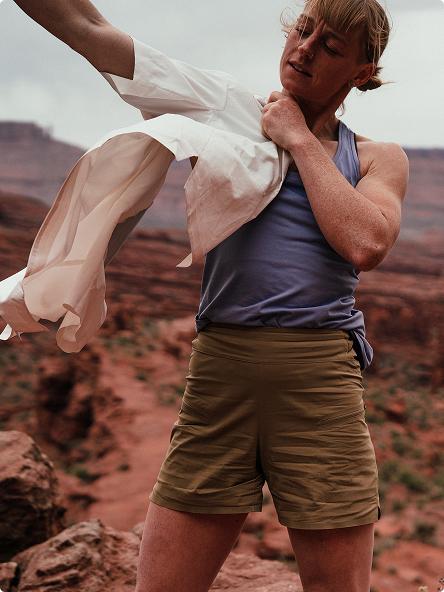
Best lightweight and breathable hiking clothes for women
Day hikers shouldn’t need to choose between clothing that is both weather-resistant and easily packable, which is why our favourite hiking layers are breathable, moisture-wicking, and durable. From hiking shirts to hiking boots, we’ve got you covered from top to toe.
Best hiking shirts for women
Because of their inherent moisture-wicking properties and excellent breathability, Merino wool and synthetic fabric blends almost always outperform cotton when it comes to outdoor apparel. The best hiking shirts are lightweight, sun-protective, and moisture-wicking to help you regulate your temperature and stay comfortable on the trail.
That’s why we love the Taema Crew Neck Shirt for day hiking. We make the Taema from our Phasic™ LT material, which is a moisture-wicking polyester fabric made from 80% recycled content. It’s incredibly soft and comfortable, with articulated patterning to allow you to move freely and a 40+ UPF rating to protect you from intense mountain sunlight. The DWR treatment ensures minimal moisture absorption, and the anti-odour treatment helps keep your clothing smelling fresh after a long day out.
If you’re looking for a similarly breathable and adaptable long-sleeve option, check out the Satoro SL Merino Wool Crew Neck. The blend of Merino wool and TENCEL fibres combine to make this base layer both naturally odour-resistant and soft against your skin for all-day comfort. It’s ideal for high-output days year-round when you want full upper body coverage.
Best pants, shorts, and leggings for day hikes
Choosing between hiking pants, leggings, and shorts depends on the terrain and weather. Hiking pants offer the most coverage, making them ideal for overgrown trails or bushwacking. Stretchy, breathable materials allow you to move easily, and zipper pockets come in handy for accessible storage.
Hiking leggings provide a snug fit and great mobility. While they may be less abrasion resistant than sturdier hiking pants, they also offer full leg coverage, protecting you from sun, weather, trailside poison oak, bugs, and spiky brambles.
If you don’t need full leg coverage, hiking shorts are a great option to keep you cool in hot climates. While long pants offer protection from brambles and bugs on overgrown trails, shorts give you unparalleled breathability and airflow on exposed hikes.
Regardless of whether you prefer to hike in pants, leggings, or shorts, be sure to prioritize stretchy, breathable, and durable materials, especially for longer or more rugged hikes. As our most adaptable multi-sport softshell pant, the Gamma Pant fits the bill perfectly. It’s the go-to choice for day hikers looking for wind protection, breathability, and durability from their hiking kit. Drawstring cuffs seal out dirt and debris that might get kicked up, and secure pockets give you easy access to your essentials on the trail.
If you prefer to hike in shorts, check out the Gamma Short 9”. These shorts are made from the same abrasion-resistant and comfortable softshell material as the Gamma Pant, making them both durable and useful for many different activities. If you’re looking for a shorter inseam, try the Gamma Utility Short 5”.
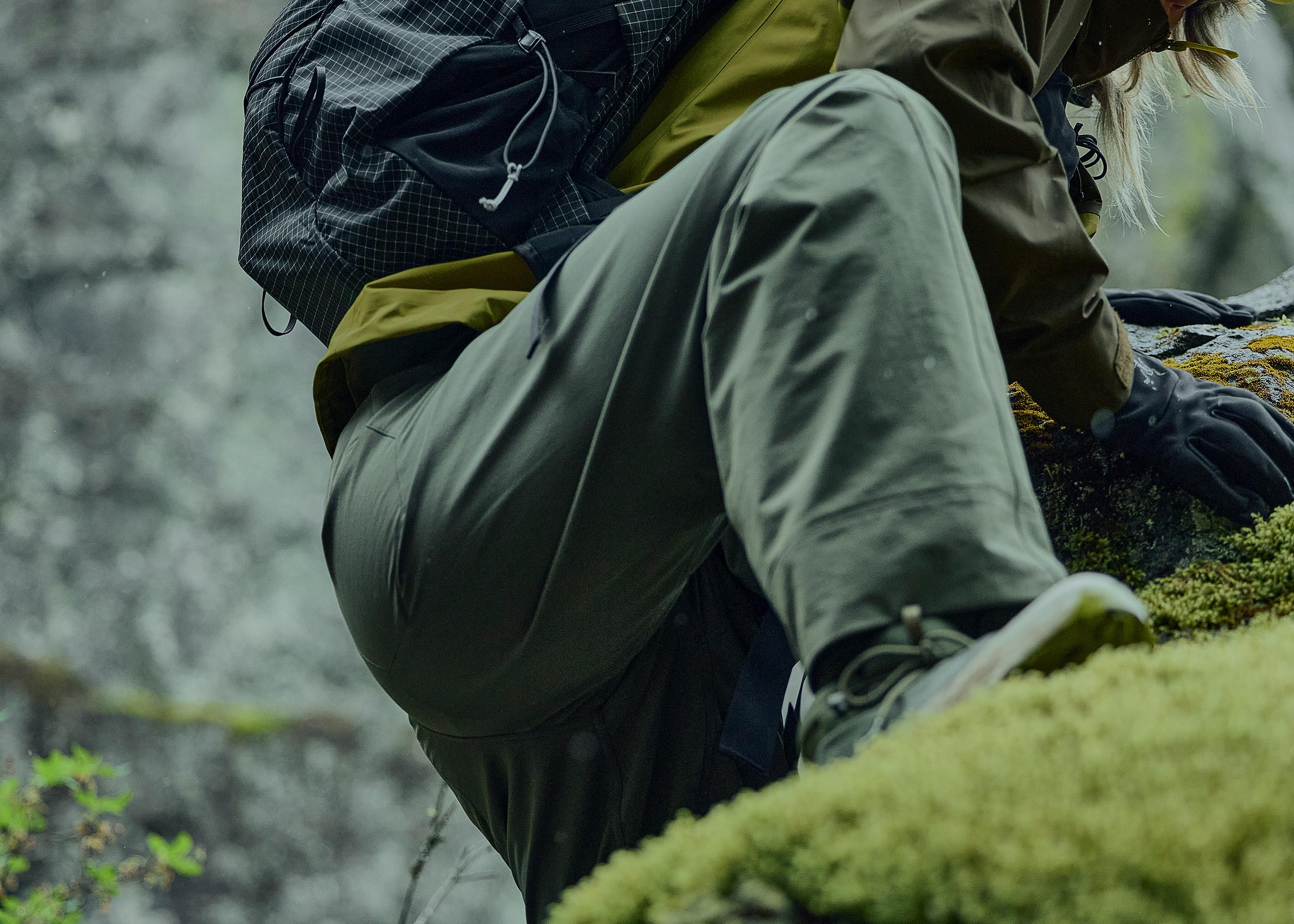
Best lightweight jackets and mid-layers for weather changes
Choosing the right outer layer for day hiking depends on both the weather and your anticipated output level. Softshell jackets can keep you warm on cool days while still offering exceptional breathability and ventilation. They’ll also protect you from mild weather, like a light rain or windy summit, making them great companions for high-output hiking days in variable conditions. The Gamma MX Hoody is our favourite softshell for hikes where you need a little extra warmth and weather protection. Because it’s not fully waterproof, it’s more breathable than a hardshell but still weather resistant, making it a great outer layer on mild days and a great midlayer for rainy or snowy treks.
Fleece jackets can also be an excellent mid or outer layer option on chilly, dry days. Both warm and breathable, fleece jackets are often a perfect, cozy addition for day hikers, and they make a great midlayer under a shell jacket in cooler, wetter weather. The Kyanite Hoody shines as a standalone layer for brisk alpine mornings or a reliable midlayer for colder hikes. The nylon face fabric is both stretchy and abrasion-resistant, giving you freedom to move without worrying about snags or tears. When you need to layer up, the streamlined fit ensures the hoody fits easily under a shell, too. However, nothing beats GORE-TEX® waterproof jackets in the rain or snow. A rain jacket is essential for wet and unpredictable weather conditions, and GORE-TEX® jackets offer breathability in addition to weather protection, letting sweat escape while keeping water out. They’re your best option for weather protection on the trail, especially on long, strenuous hikes in changing mountain weather. That’s why we love the Beta SL Jacket. Made with the latest GORE-TEX ePE membrane, this hardshell jacket offers full water and wind protection and a full feature set while still being lightweight and breathable.
For maximum adaptability, many hikers carry a lightweight shell in their pack for sudden storms while wearing a softshell or fleece depending on temperature and activity level. To learn more about layering for different conditions, check out our layering guide.
Essential hiking socks and footwear for comfort
Moisture-wicking hiking socks are essential for preventing blisters and improving overall comfort on the trail. Unlike cotton, which traps sweat and creates friction, hiking socks made from Merino wool or synthetic blends wick moisture away from your skin, keeping your feet drier and reducing the risk of hot spots. As a bonus, many hiking socks offer targeted cushioning and seamless designs for extra support and comfort during long treks, like our Synthetic Mid Crew Sock.
In terms of footwear, choosing between hiking shoes and sturdier hiking boots comes down to the terrain. If you require speed, hiking shoes offer lightweight, breathable comfort for high-output hiking on well-maintained trails. On the other hand, hiking boots give you more ankle support and often offer more durability, so they’re better suited for rocky, uneven, and steep trails. Check out our full guide on footwear to help you determine if hiking shoes or boots are the right selection for your activity.
Still can’t decide? The Kopec Mid GTX Boot gives you the best of both worlds. They’re an all-season favourite among hikers, and with good reason. With GORE-TEX® waterproof protection and extra ankle support, these shoes are still more lightweight and comfortable than your typical hiking boot. You get the same superb grip from the Vibram® Megagrip outsole and supportive cushioning from the dual-density midsole, and the mesh upper keeps everything breathable.
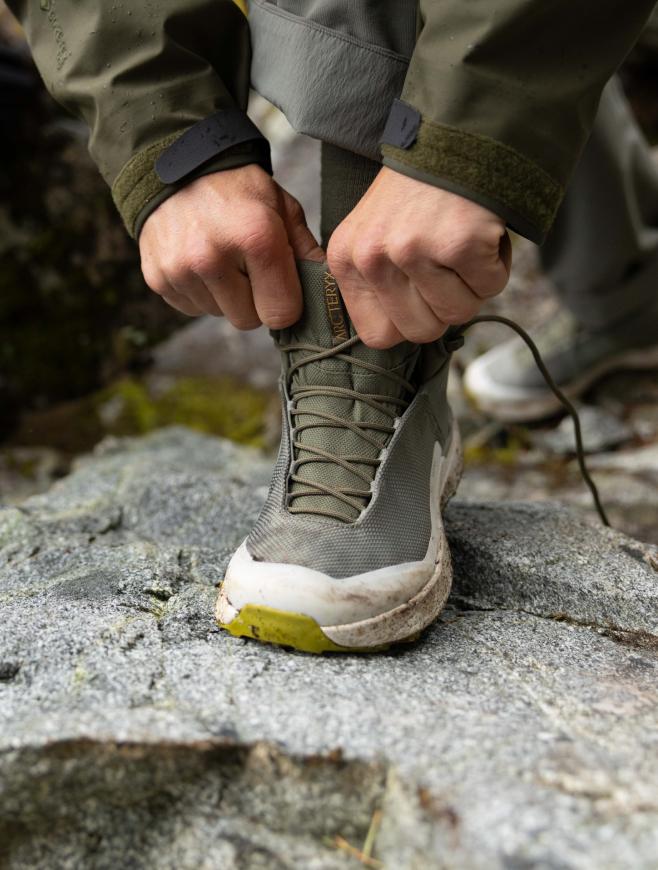
How to choose the right hiking clothes for your needs
The best women’s hiking gear comes down to different hiking conditions, as well as personal preferences. Whether you’re hiking in the intense summer heat or brisk shoulder season mornings, there are a few essentials every hiker needs in all seasons.
Best clothing for hiking in hot vs. cold weather
If you’re hiking in the heat, lightweight, breathable, and sun-protective fabrics are the way to go. Prioritize good ventilation and UPF-rated materials to prevent overheating and sunburns. If you’re packing additional layers, you’ll also want them to be lightweight and easily packable. Cold-weather hiking is when your layering strategy really comes into play. Insulated layers made with breathable fabrics will keep you warm when you need it without overheating.
Day hike must-have clothing and layers
Whether you’re hiking in warm or cool weather, you can always start with a moisture-wicking, breathable, non-cotton base layer top. Decide if you want hiking pants, leggings, or shorts based on temperature and trail conditions. Choose performance hiking socks and footwear, balancing lightweight breathability with durable support based on where you’re hiking and what you prefer.
From there, you can add an insulated layer on top if you need. In dry conditions, this might be sufficient, but always be sure to have your waterproof shell jacket at the top of your pack.
Essential hiking gear for carrying and preparedness
In addition to intentional emergency layers, a solid hiking backpack and a good hydration system are both crucial for every dedicated day hiker. Always make sure you have enough water for the length of your hike and the weather conditions.
Final tips for staying comfortable and safe on the trail
Dressing appropriately for the terrain and weather forecast is one of the most important steps in preparing for a successful and comfortable day hike. Always check the forecast to dress according to both the weather conditions and trail conditions. A shaded forest hike on a cool, dry day might be best suited for hiking pants, a breathable shirt, and a fleece layer on top. On the other hand, an exposed alpine trail might call for ultra-breathable, UPF-rated layers, a hat for sun protection, and extra sunscreen.
Whatever you do, avoid cotton. Cotton layers absorb moisture instead of repelling it and dry slowly, making you more likely to feel wet and uncomfortable. Since technical fabrics like Merino wool and synthetic blends are designed specifically for outdoor performance, they’re a non-negotiable for day hikers and multiday backpackers alike. From your base layer to your outerwear, the best hiking gear is breathable, moisture-wicking, and sun-protective. Layering allows you to adapt to changing conditions so you’re prepared for intense alpine sunshine and surprise afternoon thunderstorms alike.
Before heading out on a longer hike, test your gear on shorter outings to make sure everything fits well and is comfortable under your pack.
As a seasoned day hiker, you know the right gear makes every hike more efficient and empowering. The best hiking clothes blend breathability with durability at every layer, making it easy to build a trail-ready kit for all your hiking goals. When you’re comfortable and protected on the trail, you can enjoy every rewarding step. To get started today, check out our women’s Trail collection.
2025-10-30
Related Articles
Hiking Shoes vs. Boots for Your Trek
In this Arc'teryx guide, we break down the pros and cons of hiking shoes vs. boots to help you choose the perfect pair for your next trek!
Explore in Style with Apparel for Hiking
Find the perfect blend of performance and style with Arc'teryx apparel for hiking & other outdoor adventures!
How to Care for Your Hiking and Outdoor Gear
This Arc'teryx guide offers essential tips for maintaining and caring for your hiking, camping, and outdoor gear, including outerwear and footwear.