Fleece layers are the soul of your layering system, bringing warmth, breathability, and comfort in styles specifically designed for running, climbing, or hiking. For trail runners, a running fleece is one of the most important pieces of gear, but the wrong type of fleece layer can leave you overheated on the climbs, chilled on the descents, or carrying unnecessary weight along the way.
At Arc’teryx, every fleece is built with advanced materials and purposeful design, balancing technical precision, innovative fabrics, and minimalist construction to handle high-output movement in the most demanding trail environments and beyond.
Why a fleece layer matters for trail running
A trail running fleece is a midlayer garment that provides lightweight warmth, breathability, and moisture-wicking properties in cool-weather running conditions. Unlike insulated running jackets that trap heat or shell jackets built for weather protection, a fleece layer regulates temperature through varying output levels and dries quickly when you sweat.
Integrated into the right layering system, your running fleece acts as the bridge between your base layer and shell for comfort and efficiency across changing terrain.
[Find out more about how to layer on our Layering Page.]
The Trail Runner’s Checklist: What to prioritize in a running fleece
To help you identify what sets a performance running fleece apart from a standard midlayer, we’ve built a practical checklist to help you choose your next fleece layer for trail running. Focusing on features that have the biggest impact on performance, like weight, warmth, and fit, along with a few secondary details, we’re here to help you find a fleece layer that works as hard as you do on the trail:
Trail running fleece layer checklist:
- Breathability to regulate body heat
- Lightweight design without compromising performance
- Thermal efficiency for cold starts and high elevation
- Fit that enables movement
- Moisture management and quick-drying fabrics
Optional secondary features to consider:
- Zippers, thumbholes, and optimal storage
- Durability on rugged trails
1. Breathability to regulate body heat
Breathability is the defining feature of a running fleece, allowing excess heat and moisture to escape during high-output efforts. Open-knit constructions and grid fleece designs promote airflow while still retaining enough warmth for cool conditions.
For trail runs where steady moisture transfer matters more than heavy insulation, air-permeable fabrics like Octa® Loft or Polartec® Power Stretch® Pro keep your body temperature balanced. Arc’teryx fleece layers built with these materials ensure comfort and consistent output across variable terrain and effort levels.
Explore the full range in our [Running Fleece Collection].
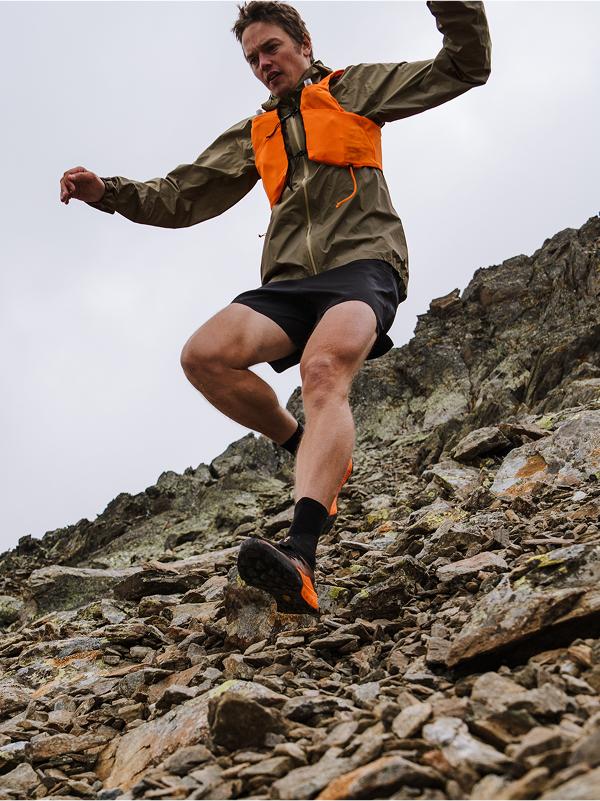
2. Lightweight design without compromising performance
Weight matters on the trail. Every gram adds up over long distances and sustained climbs. A performance-focused running fleece should stay under about 250 grams to deliver warmth and moisture management without extra weight that can drain energy. Plus, this warmth-to-weight ratio usually makes a lightweight running fleece easy to pack away on days when you know you’ll want an extra layer later.
Arc’teryx fleece layers are designed within alpine-inspired systems that minimize weight without sacrificing function, keeping your kit streamlined and efficient for steep ascents and all-day mileage.
3. Thermal efficiency for cold starts and high elevation
Crisp fall mornings at camp, shoulder-season runs, and long climbs at higher elevation all call for insulation that adapts with you. This thermal efficiency is the core strength of a fleece layer: its structure holds warmth close to your body while allowing heat and moisture to escape through breathable fibres. This balance of retention and release is what keeps you comfortable as conditions change.
The right weight refines that performance. Microfleece offers light insulation for transitional weather or high-intensity runs, while midweight fleece provides the extra warmth needed for cold starts, evening descents, or chilly alpine air. In full winter conditions, pairing a fleece midlayer with an insulated running jacket creates a system that locks in warmth without sacrificing breathability.
Arc’teryx fleeces like the Kyanite for men and women combine durability, soft comfort, and proven thermal efficiency, making them reliable as midlayers or standalones when temperatures shift throughout the day.
4. Fit that enables movement
On technical terrain, fit directly affects performance. A running fleece layer that’s too loose can bunch under a shell or pack, while one that’s too tight can restrict mobility. A poor fit, with any piece of your trail running equipment, can waste your energy and efficiency over long distances.
Arc’teryx solves this with our ergonomic design principles. Articulated patterning mirrors the body’s natural range of motion, and gusseted construction under the arms and shoulders allows your stride and arm swing to stay fluid. Trim, low-profile fits reduce bulk, making it easy to layer a running fleece over a base and under a protective shell so your kit moves with you, not against you.
Pieces like the Delta for men and women are patterned for ergonomic freedom, functioning seamlessly in a system or as a standalone layer when you stop for breaks.
5. Moisture management and quick-drying fabrics
Trail running generates sweat, and staying dry is critical to avoid chill when your pace slows or conditions turn cold. Unlike base layers, which sit next to the skin and focus on pulling moisture away, a fleece layer’s advantage is how quickly it dries once damp. By moving moisture out of the fabric before it lingers, running fleece helps prevent sweat chill that can sap energy on winter runs or alpine climbs. The result is a layer specifically optimized for stop-and-go interval activities: it regulates temperature more effectively, dries faster between efforts, and stays comfortable as conditions fluctuate.
Arc’teryx builds on fleece’s natural quick-drying advantage with hydrophobic yarns and advanced fabric treatments that limit how much water it can absorb. Technologies like Phasic™ use bi-component yarns to help spread moisture across the fabric surface for faster evaporation. The less water the fabric holds, the lighter it stays and the quicker it dries. Phasic™ fibres are also embedded with silver ions for long-lasting odour control, offering a lower impact alternative to wash-in treatments.
Browse our quick-drying [Running Fleece Layers].

Optional but impactful: Secondary features to consider
6. Zippers, thumbholes, and minimal storage
Small details can make a big difference on the trail. Zip-neck or full-zip running fleece designs provide added ventilation and quick temperature control without adding extra bulk to the garment. Thumbholes keep sleeves secure and create a smoother seal under your shell, while minimal pockets reduce bounce and weight on the move. For many runners, less storage is better, keeping your kit streamlined and focused on movement.
7. Durability on rugged trails
Trail running can be tough on gear, and fleece layers need to be able to withstand repeated use under packs, vests, and changing seasonal conditions. Reinforced construction in high-friction zones like your shoulders and elbows helps resist abrasion, while premium fabrics maintain their performance after countless miles of layering.
Arc’teryx running fleece layers are built to deliver durable, long-lasting comfort season after season.
When to wear a fleece midlayer vs. base or insulated jacket
Fleece midlayers are most effective when temperatures are cool and effort levels fluctuate. Crisp fall mornings, pre-dawn starts, or long runs that take you into higher elevations all call for a fleece midlayer that breathes with your effort while still providing insulation when the air temp drops or the sun falls behind the ridgeline.
Compared to insulated jackets, which are specifically designed to trap heat, running fleece offers more versatility on variable trails by balancing warmth with ventilation. And while a shell protects against wind or rain, it performs best with a fleece underneath to manage moisture and provide consistent comfort.
Recommended arc’teryx fleece layers for trail runners
Arc’teryx offers several running fleece layers built specifically for trail runners.
- Konseal Air Hoody – Highly breathable fleece with exceptional moisture management.
- Rho Hybrid Crew – Lightweight fleece ideal for base or midlayer hybrid use.
- Norvan Insulated Hoody – Octa® Loft fleece-insulated layer with wind resistance.
Explore the full range [Running Fleece Collection].
Final trail running fleece checklist
The right running fleece anchors your layering system, delivering breathable warmth and low weight so you can move efficiently across changing terrain.
Use this Trail Running Fleece Checklist to zero in on the key features to consider when choosing your next Arc’teryx running fleece and layer up with confidence for the miles ahead:
☐ Breathable fabric for thermal regulation
☐ Lightweight and compact
☐ High thermal efficiency without overheating
☐ Movement-friendly fit
☐ Moisture-wicking and fast-drying
☐ Durable under high-mileage conditions
☐ Smart ventilation and layering compatibility
2025-11-04
Related Articles
Mountain Running Clothing Checklist
Stay prepared on every trail with this expert mountain running clothing checklist from Arc'teryx. Find high-performance gear built for any adventure.
The best waterproof trail and mountain running shoes for every terrain
From rugged mountain paths to forest trails, discover the best waterproof trail running shoes for tackling all terrains with confidence in this Arc'teryx guide!