When you’re heading to the mountains for your next big wall climb or multi-day trek, choosing the right outdoor pants is essential to keep you not only comfortable but also safe. Both literally and figuratively, outdoor pants are not one-size-fits-all, and it’s important to align your gear with your objectives and the conditions you’ll be out in. Specifically, weight and weather protection each serve different technical needs, and the right ones for you depend on climate, output level, and exposure, among other factors. In this guide, we’ll walk you through how to choose the best pants for your outdoor activities of choice.
Start with the terrain and weather conditions
First, consider the climate and landscape where you’ll be. In the high alpine, you might encounter intense, direct sun with cooler temperatures overall because of the elevation. At high altitudes, you’re also more prone to sudden weather changes and afternoon storms. Whether you’re hiking above treeline or bouldering in the desert, different environments demand different gear considerations.
For hot weather and high output: look for lightweight fabric
Made with permeable, breathable fabric, the best lightweight hiking pants are both porous and durable, offering easy breathability and abrasion resistance on a more rugged trail. For hot-weather hiking, you also want your pants to have moisture-wicking properties, along with good ventilation and airflow, to help regulate your body temperature and avoid sweat buildup as you move. Articulated patterning in the knees specifically ensures a fuller range of motion when you’re moving fast on steep terrain. Look for lightweight pants when you’re fast-packing, trekking desert trails, or climbing high-exertion routes.
For rainy, cold, or wet conditions: choose waterproof construction
While waterproof pants may not be as light and breathable as other options, they offer unparalleled weather protection in rain, wind, and snow. Lightweight pants might be water resistant enough for a brief afternoon thunderstorm, but in sustained rain and inclement weather, you need more to keep you dry. When you’re crossing glaciers or spending hours in the high alpine, waterproof pants ensure you stay warm, dry, and safe.
There’s a reason alpinists and mountaineers choose GORE-TEX® fabrics for reliable weatherproofing that doesn’t sacrifice breathability. Essentially, GORE-TEX is a waterproof, windproof, and breathable fabric technology that keeps water droplets out while still allowing water vapour to escape. Standard waterproof fabrics may do well at keeping water out, but they can also trap moisture in, leaving you damp and cold after you break a sweat. GORE-TEX materials, on the other hand, have tiny pores that allow sweat to evaporate while still keeping sleet, rain, and snow out. If the waterproofing capabilities wear off over time, you can also reapply the Durable Water Repellent (DWR) coating.
When you’re hiking in variable conditions or anticipating a midday downpour, consider layering your waterproof pants. Wearing waterproof pants over a lighter, breathable base layer allows you to shed the unnecessary layer when the sun is shining and be prepared when the clouds roll in. For this reason, the best waterproof pants are also easy to pack down and not bulky, allowing you to swap out as conditions change.
Know the demands of your activity
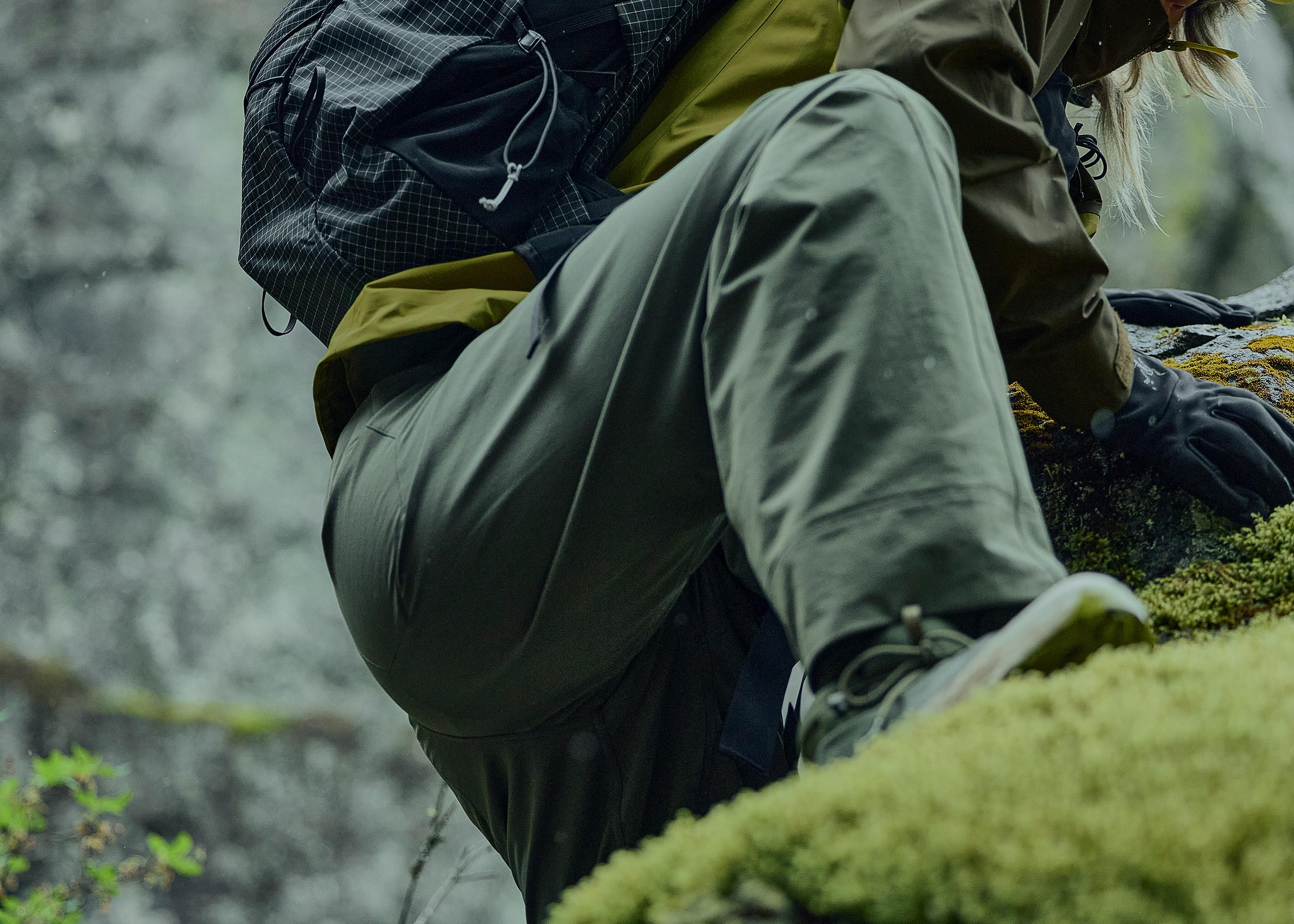
Trekking through the backcountry, trad climbing in the alpine, and scrambling through boulder fields all come with unique criteria and stressors on your gear, including your pants. In addition to considering your climate and terrain, evaluate the intensity of your activity and the necessary range of movement.
For technical climbs and scrambling
From bouldering to multi-pitch, technical climbing requires complete freedom of movement and unrestricted mobility. Climbers specifically benefit from a gusseted crotch, which can reduce chafing from bulky seams by allowing for easier mobility. Additionally, climbing pants often reinforce the fabric around the knees to offer maximum durability in abrasion-prone areas. A slim profile and tapered fit through the legs also keep the pants out of your way.
For long-distance hiking and multi-day treks
While backpacking and long-distance hiking require freedom of movement, they also demand comfort across many miles of varied terrain. Features like integrated belt loops and zippered pockets prevent snagging on rocks or tree branches while still offering easy access to your essentials. For long hikes on the trail, quick-drying waterproof fabrics become more crucial to reduce the risk of chafing due to sweat and moisture buildup.
Compare material technologies and construction details
Now that we’ve started with narrowing down options based on terrain, weather, and activity type, let’s dive into the gear anatomy, technical materials, and the best use cases for each.
Fabric types and weave density
Ultralight stretch woven fabric is ideal when you’re moving fast and light through the mountains. Often made with elastic fibres like spandex or elastane, this stretchy fabric offers maximum flexibility and range of movement for bouldering top-outs, fast-packing, and high-mileage days. These fabrics also usually provide easy breathability and quick-drying moisture management, allowing sweat to evaporate to keep you dry during high-output activities. As the name implies, it’s also lightweight and easily packable, making it ideal for moving quickly on the trail.
Waterproof laminate fabrics, on the other hand, are designed for full waterproofing. While some ultralight stretch woven fabrics can resist light rain and weather, you want waterproof laminate fabrics in steady rain or heavy storms. Common in not only outdoor clothing but also rain gear, tents, and packs, this fabric consists of a waterproof membrane like GORE-TEX® sandwiched between a face fabric and a backer. Waterproof laminate fabrics can still be breathable, as we see in our GORE-TEX. Due to the layered construction, these fabrics can be heavier and stiffer than stretch woven fabrics, but with strategic design and innovation, you don’t have to choose between lightweight, breathable fabrics and waterproof ones.
That’s why lightweight Arc’teryx outdoor pants can still be durable. Instead of just using less fabric or making it thinner, Arc’teryx pants are specifically reinforced in high-wear areas to give you extra hardiness where you need it and shed weight where you don’t. It’s also why we design our mountain gear specifically for different activities, knowing the functionality you need for an alpine climb isn’t the same as what you need when hiking on the coast.
Reinforcements and articulation
Climbers often need pants with a reinforced seat and knees to prevent snags and tears in these high-contact areas, whether the fabric is getting caught on the rock or simply rubbing against a harness all day. Articulated patterning, especially around the knees and hips, ensures you can climb more fluidly, too, allowing for higher steps and unrestricted movement on the wall. Hikers can also benefit from this strategic reinforcement and articulation when the terrain is especially steep or rugged. Panel construction and low-profile seams also reduce friction and potential chafing.
Integrated features that matter
Another crucial component of innovative design is making sure your pants prioritize and incorporate the most useful features without overdoing it. For example, climbers and mountaineers need zippered pockets for secure storage on vertical terrain that they can easily access, even when wearing a harness or pack. Climbers and hikers alike can benefit from adjustable cuffs for different boot and shoe compatibility, and keeping snow and scree out of shoes. Throughout the day, it’s helpful to have integrated cinches to roll up pant legs for extra ventilation or creek crossings, with the ability to easily let them down again if temps drop or you’re hiking through scratchy brush.
Gear up with pants built for any season
Of course, seasons are a big factor in determining your outdoor gear needs. Just as a hiking trail may look completely different in the summer vs. the winter, your best hiking pants may look different too.
Warm-weather hiking (Spring/Summer)
The season of more daylight and drier trails, summer hiking often comes with the added benefits of lush landscapes, wildflowers, and wildlife sightings, along with easier navigability. Longer days can also mean more sun exposure, especially when hiking above treeline or on open trails.
Lightweight pants like the Gamma SL Pant — available in both men’s and women’s versions — blend durability with stretchiness and breathability. The lightest Gamma pant available, the Gamma SL provides a slim fit and articulated patterning for easy mobility, and the lightweight Fortius™ 1.0 softshell fabric comes with a DWR (Durable Water Repellent) finish to repel moisture. They also come with a UPF rating of 40+, giving you sun protection on exposed trails.
Cold-weather hiking (Fall/Winter)
Fall and winter hiking often means less crowded trails, and the right gear can keep you warm and dry in rain, sleet, or snow. In cooler weather, dialing in your layering system is especially important. Try layering waterproof pants over thermal leggings or base layer tights for additional warmth, or wear the pants by themselves in milder temperatures when you still need protection from the elements. An adjustable waistband and cuffs can help seal out additional moisture.
In addition to being waterproof, the best outdoor pants are also windproof, like the Beta Pant. Also available in both men’s and women’s versions, these pants deliver weatherproof and breathable GORE-TEX protection in a highly packable design, meaning they’re easy to layer on when the storm rolls in and easy to stash when skies are blue. Plus, ¾-length side zips provide extra ventilation and make it easy to layer up/down on the trail.
Arc'teryx pants breakdown: how to choose
Let’s recap all of the factors to help you finalize your decision based on your needs.
Choose lightweight pants when:
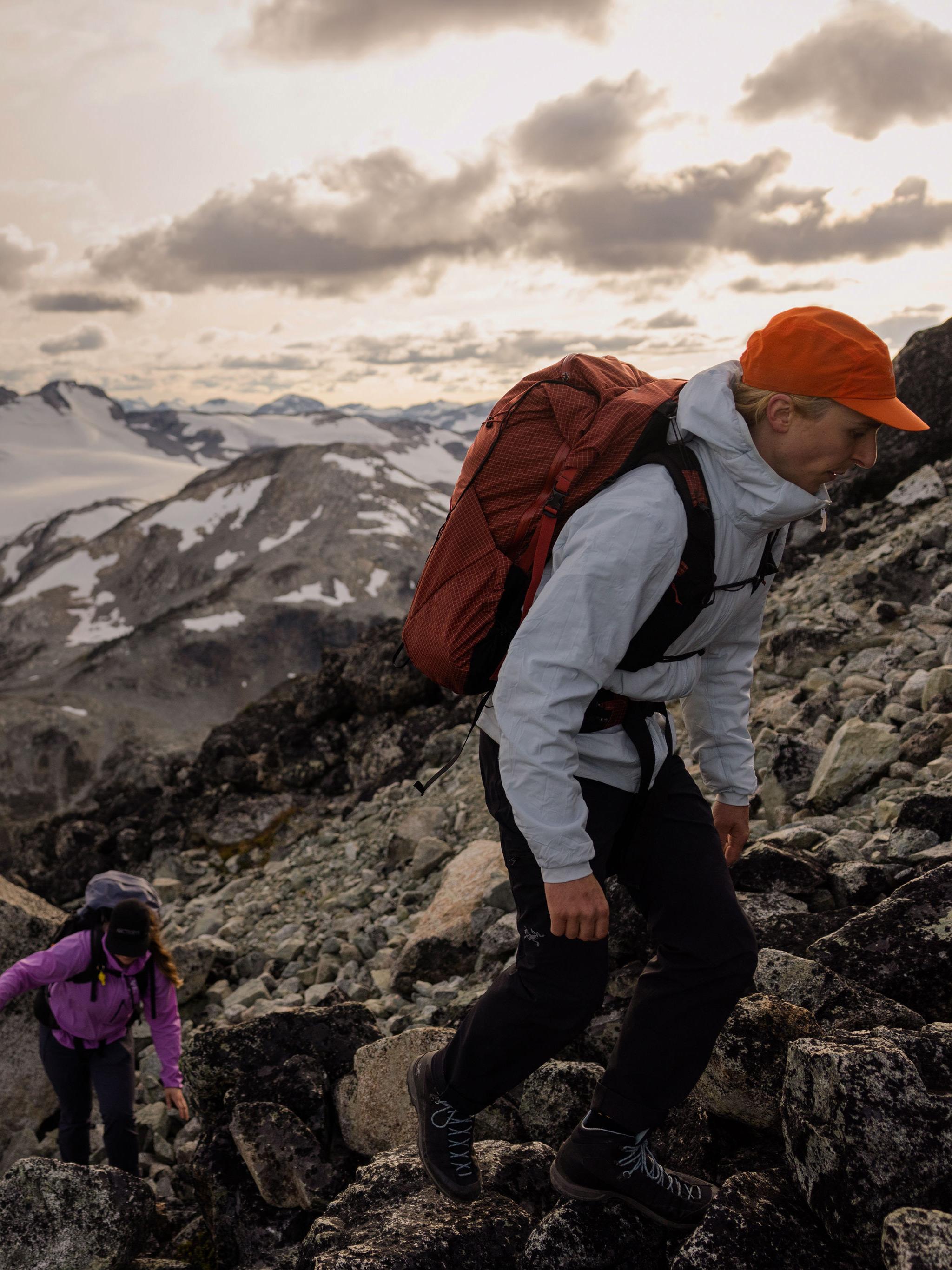
When you’re moving fast and need maximum breathability or in warmer temperatures, reach for lightweight hiking or climbing pants. Lightweight pants are also important when you’re trying to save weight on alpine treks or ultralight kits. Along with being stretchy, these are often made of fabrics that are quick-drying too, making them especially useful for high-output activities in hot, dry, or mixed terrain.
Favor waterproof pants when:
While some lightweight pants offer weather resistance for mild precipitation, you want waterproof pants when you’re exposed to wet weather or snow for a long time. This durable outer layer keeps you warm and dry by shielding you from wind, rain, and sleet. If you’re hiking or climbing in the alpine, the high-mountain weather can change suddenly, and midday summer storms are likely so it’s in your best interest to have a pair of waterproof pants in your pack. Waterproof pants also come in handy for snow hiking and glacial crossings, as well as treks in high-moisture zones like the Pacific Northwest.
Build your hiking and climbing system with Arc’teryx pants
Hiking and climbing pants are only one piece of the puzzle — understand how your pants integrate into your layering system and how they work with the rest of your gear, too. Check out our climbing pants and browse performance gear built for real alpine objectives.
2026-03-17
Related Articles
Explore in Style with Apparel for Hiking
Find the perfect blend of performance and style with Arc'teryx apparel for hiking & other outdoor adventures!
Hiking Shoes vs. Boots for Your Trek
In this Arc'teryx guide, we break down the pros and cons of hiking shoes vs. boots to help you choose the perfect pair for your next trek!
Best Hiking Clothes for Women | Buyer’s Guide
Find the best lightweight, breathable hiking clothes for women by Arc’teryx. Get expert tips and gear picks for staying comfortable on day hikes.