Cold hands can quickly pull you out of the moment on the mountain.
You might be standing on a wind-exposed ridge, riding a chairlift into cloud-covered skies, or doing up your boots at the trailhead. When your gloves aren’t warm enough, or when they make simple tasks difficult, the day can start to unravel.
Good ski gloves or mittens keep your hands warm, dry, and ready for whatever the terrain demands. They allow you to adjust buckles, grab skins, open pack straps, and hold your poles without thinking about it.
Choosing the best ski gloves or mittens isn’t about style. It’s about selecting the right combination of warmth, dexterity, durability, and weather protection for the way you move through winter terrain.
This guide explains how to choose ski gloves and mittens based on insulation, materials, fit, and skiing style so you can find the best option for your winter objectives.
Gloves vs. mittens: Which is better for your ski objectives?
Gloves: dexterity for gear, zippers, and poles
Ski gloves separate each finger, which allows for greater precision and control. This becomes important when adjusting bindings, opening zippers, tightening pole straps, or managing climbing skins.
If you’re interacting with gear frequently, gloves are often the better option. Many backcountry skiers prefer gloves because they make transitions easier without exposing bare hands to cold air.
The best ski gloves are designed with articulated patterning that mirrors the natural shape of the hand. This construction creates a dexterous glove that moves easily while maintaining warmth and weather protection.
Mittens: warmth in colder conditions
Long story short: Mittens prioritize warmth.
Instead of separating each finger, mittens keep them together in a shared chamber. This design allows heat to circulate more efficiently between fingers, improving heat retention.
Because of this, ski mittens are usually warmer than gloves. They are particularly effective during long lift rides, extremely cold days, and slower-paced skiing where maximum warmth matters more than dexterity. Skiers who struggle with cold hands often prefer mittens for this reason.
The tradeoff is reduced precision. Tasks such as opening small pockets or tightening buckles may require removing the mitten.
Hybrid options and layering
Some skiers use both gloves and mittens depending on conditions.
Another common system includes liner gloves paired with insulated gloves or mittens. Liners offer light warmth and dexterity for quick tasks, while the outer glove provides insulation and weather protection.
This modular approach is popular for touring and multiday objectives where conditions can shift dramatically during the day.
Key features that define the best ski gloves or mittens
Once you decide between gloves and mittens, several technical features determine how well they perform.
Insulation and lining for warmth
Warmth starts with insulation.
Most ski gloves use synthetic insulation combined with interior materials like a soft fleece or polyester lining. These linings add comfort while helping manage moisture inside the glove.
A fleece lining provides immediate warmth and softness against the skin. Polyester linings often dry faster and can feel smoother during high-output activities.
The level of insulation you need depends largely on how you ski. Resort skiing often involves long periods of sitting on lifts in cold air, which typically requires warmer gloves or mittens. Touring and freeride skiing generate more body heat, so lighter gloves may feel more comfortable — or you may want to adjust your layers throughout the day, wearing a lighter pair of gloves for uphill travel then switching to a warmer pair of mittens for the descent.
Because mittens keep fingers together, they often retain heat more effectively than gloves.
Shell materials and waterproof protection
Snow, wind, and melting moisture can quickly soak through poorly protected gloves. A waterproof membrane helps prevent outside moisture from entering while allowing sweat vapour to escape.
This balance between waterproofing and breathability is essential for maintaining warmth throughout the day.
If you ski frequently in heavy snowfall or wet environments, look for gloves that are close to completely waterproof. Durable outer fabrics and sealed seams also contribute to long-term weather protection.
Palm materials and grip
The palm experiences constant friction when skiing.
Holding poles, adjusting bindings, brushing snow from boots, and managing skins all place stress on this area. Durable materials improve grip and longevity.
A leather palm is commonly used because it offers excellent grip and long-term durability. Over time, leather softens slightly and moulds to the hand, improving comfort and control. Many high-performance leather gloves combine durable palms with flexible fabrics on the back of the hand to balance protection and mobility.
Synthetic palms can also perform well, particularly in lightweight gloves designed for touring or warm conditions.
Cuff design and compatibility
Cuff design affects both weather protection and layering.
Gauntlet cuffs extend over the sleeve of your jacket and help seal out snow during stormy conditions.
Other gloves are designed to sit under the ski jacket cuff, creating a cleaner, lower-profile fit that some skiers prefer for touring or layering systems.
Both designs work well. The right option depends on your jacket and how you prefer to layer your gear.
How to choose based on terrain and activity type
Where and how you ski plays a major role in choosing the right gloves.
Resort skiing
For resort skiing, warmth and weather protection usually take priority.
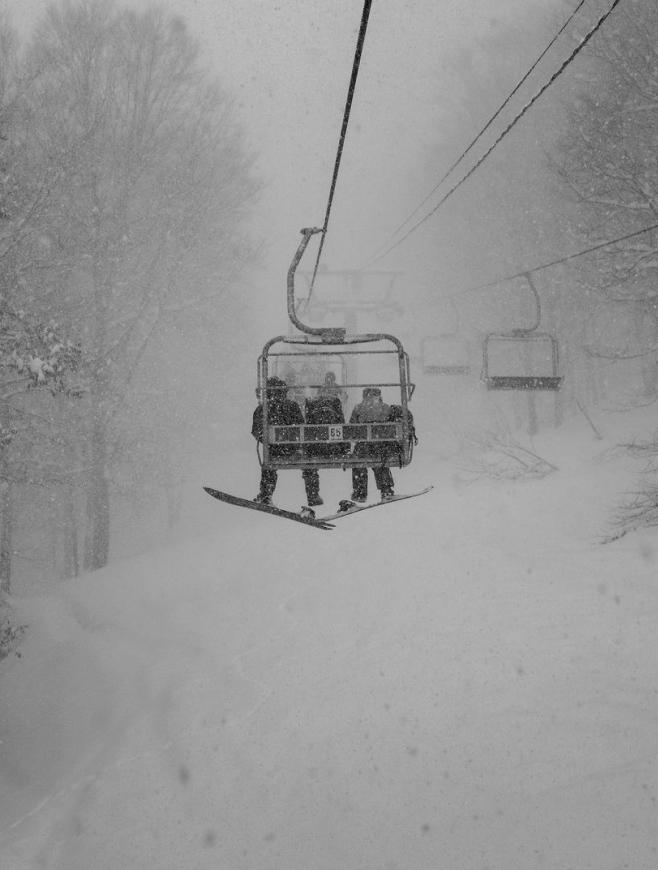
Long chairlift rides expose your hands to wind and cold temperatures. Gloves or mittens with strong insulation, comfortable linings, and reliable waterproof protection help maintain warmth throughout the day.
Skiers with colder hands often prefer mittens for resort skiing because they retain heat more effectively. Gloves provide slightly more dexterity for adjusting gear and handling zippers.
Freeride and big-mountain skiing
Freeride terrain often involves more interaction with equipment and varied snow conditions.
Durability becomes important when carrying skis, adjusting packs, or navigating steep terrain. Gloves with reinforced construction and leather palms provide reliable grip and protection.
Dexterity is also valuable in these environments. Gloves allow skiers to manage gear without repeatedly removing hand protection.
Backcountry touring
Backcountry skiing introduces large temperature swings throughout the day.
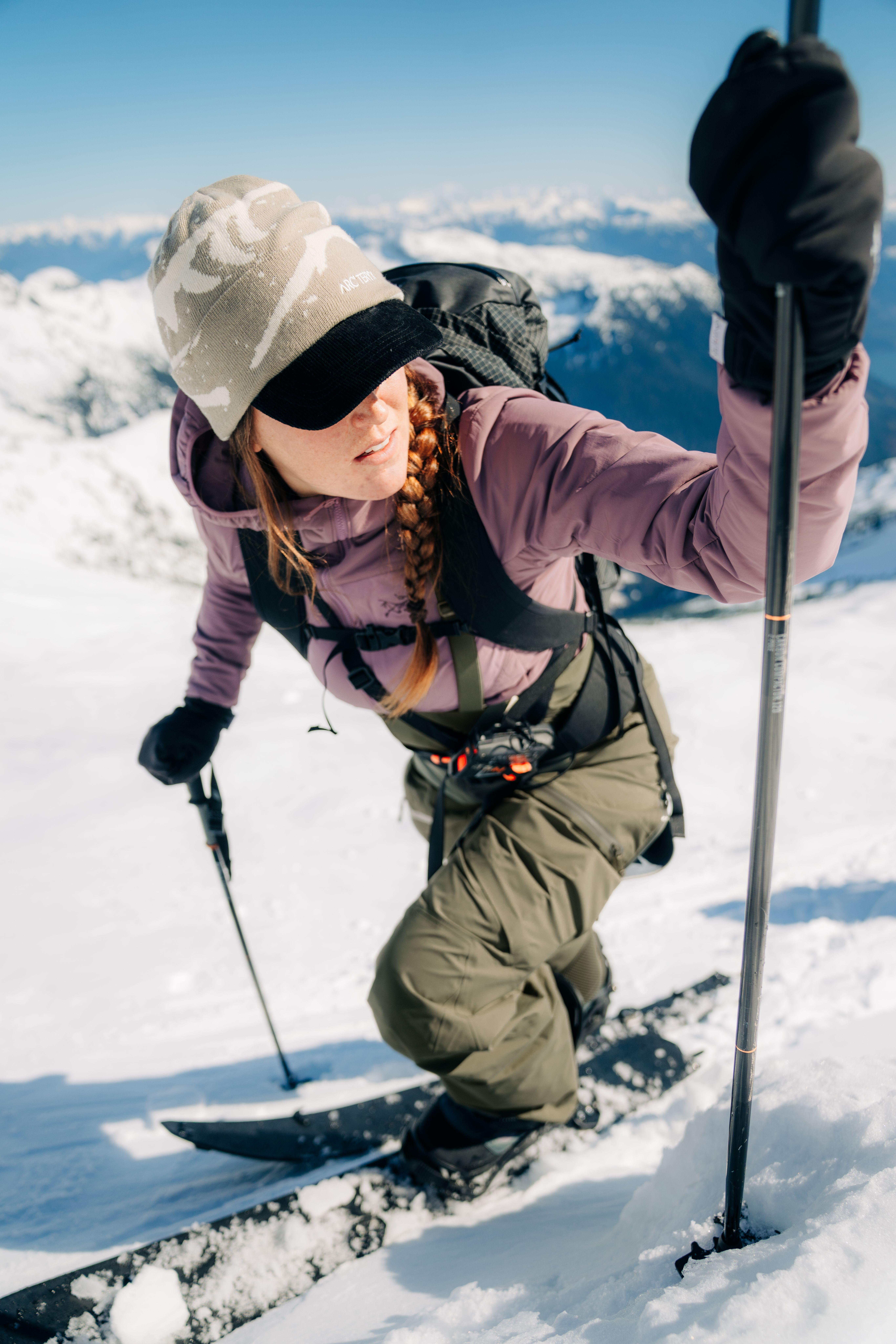
Climbing uphill generates heat and moisture, while descents expose hands to cold wind and snow. Many backcountry skiers wear liner gloves during the ascent and carry insulated gloves or mittens for descents.
Layering systems allow skiers to regulate temperature while keeping their hands dry and comfortable during transitions. For longer tours or multiday objectives, bringing multiple glove options can make a noticeable difference in comfort.
Fit, sizing, and layering considerations
Fit plays a critical role in glove performance.
Gloves that are too tight restrict circulation, which can reduce warmth. Gloves that are too loose allow heat to escape and make it harder to grip poles or equipment.
The best ski gloves should fit securely while still allowing natural finger movement.
If you plan to wear liner gloves, ensure the outer glove or mitten has enough room for the additional layer without feeling restrictive. A proper fit helps maintain warmth and ensures that gloves remain comfortable during long days on the mountain.
Caring for ski gloves and mittens
Proper care helps extend the life and performance of your gloves.
Dry them after each day
Gloves often absorb moisture from sweat and snow. Allow them to dry completely before your next ski day. Air drying in a warm room is usually the best method.
Maintain leather palms
If your gloves include a leather palm, occasional conditioning helps maintain flexibility and water resistance. Well-maintained leather stays supple and continues to provide reliable grip.
Replace worn gloves
Over time, insulation compresses, and seams may weaken. If gloves stop retaining warmth or begin allowing moisture inside, it may be time to replace them.
Choosing the right ski gloves or mittens for you
This comes down to matching warmth, dexterity, and durability to your skiing style.
Gloves offer greater control for gear and technical movement. Mittens provide more warmth in extremely cold conditions. Layering systems with liner gloves offer adaptability across changing weather.
When selecting a pair, consider insulation, waterproofing, palm materials, cuff design, and fit. With the right pair, your gloves become something you rarely think about. They simply keep your hands warm, dry, and ready for the next lap.
Explore the full Arc’teryx collection of ski gloves and mittens to find the design that supports your winter objectives.
FAQs
Are mittens warmer than gloves for skiing?
Yes. Mittens typically retain more heat because your fingers share a single chamber, allowing warmth to circulate more efficiently.
What is the best insulation for ski gloves?
The best insulation depends on your skiing style and conditions. Warmer gloves are often preferred for cold resort days, while lighter gloves with breathable linings work well for touring.
Can I wear liner gloves under ski mittens?
Yes. Liner gloves can be worn under mittens to increase warmth and allow you to remove the outer mitten briefly without exposing bare skin to the cold.
Are leather ski gloves waterproof?
Leather gloves resist moisture well, but full waterproof protection usually requires a waterproof membrane combined with proper leather care.
Do I need different gloves for resort and backcountry skiing?
Not necessarily, but many skiers prefer warmer gloves or mittens for resort skiing and lighter gloves with layering flexibility for touring.
2026-04-14
Related Articles
Best Ski Pants & Bibs: Ultimate Buyer's Guide
Discover the best Arc'teryx ski pants and bibs for resort, touring, and backcountry. Learn what to look for in insulation, fabric, fit, and features.
Shell vs. Insulated Ski Jackets: Buyer's Guide
Learn the difference between shell and insulated ski jackets to choose the right gear for your conditions, activity level, and layering strategy.