Arc’teryx hardshells, insulated jackets, and base layers have been core to the mountain athlete’s kit for decades. Constructed of progressive, premium materials and stress-tested in the world’s harshest environments, these are pieces you can rely on when it counts. From mountaineering and alpine touring to rock climbing and hiking, every Arc’teryx jacket is designed for freedom of movement, temperature regulation, and years of durable performance.
All Arc’teryx products undergo heavy testing by the world’s mountain professionals, and as a result they solve problems that only appear after sustained use in the field. Your shell might feature pockets designed to be accessible under a harness, or a helmet-compatible StormHood™ that moves with your head for better peripheral vision. Our insulated jackets are thermomapped to provide insulation where you need it most, and even our base layers have refined seams and articulated patterning to move with you.
This attention to detail and commitment to comfort guarantees that your lightweight-breathable shirt won’t chafe at mile 20; your Merino base layer won’t trap odours on a weeklong hut trip; and your climbing pants won’t catch on your crampons. With every layer designed to minimize weight, maximize performance, and work as part of a system, you can bring less, do more, and travel lighter. The art of layering starts here.
How to build a complete layering system for skiing, hiking, and climbing: the importance of layering in outdoor activities
Layering in the mountains can be broken into base layers, midlayers, and outerwear—all with the goal of keeping you warm and comfortable as you move, and minimizing moisture from perspiration or weather exposure. Finding the right system for your level of activity and the forecast can be a delicate balance, but with the right strategy you can unlock comfort in almost any environment. Below, we’ll get into some key points for each element of layering, and how to choose the right products for your environment.
Base layer: the foundation of comfort
Base layers are worn against your skin, and are typically constructed of a breathable, moisture-wicking fabric made with Merino wool, tencel, cotton, or synthetic fibres. These layers should fit snugly, so you can add an insulating layer and shell without losing freedom of movement. It’s important to remember that a base layer will be exposed directly to your sweat, so you’ll want to pay close attention to the fabric composition and weight.
When to wear a microfleece base layer
On cold days where perspiration is less of a concern, you can choose a loftier base layer. The Rho (women’s, men’s), for example, features our synthetic Torrent™ microfleece, a buttery-soft fabric that wicks light sweat and excels at keeping warmth close to your skin. If your winter activities are lighter in intensity or you tend to run cold, the Rho family could be a great option for you.
When to wear a merino base layer
If you’re the one setting the skin track or just tend to run sweaty, Merino wool will be your best friend because it retains its temperature regulating properties even when wet. The Satoro baselayer (women’s), made with ultra-fine, Responsible Wool Standard (RWS) Merino is a great option here. Men’s: Rho merino wool crew neck (zip-neck version).
Midlayer: insulation for comfort
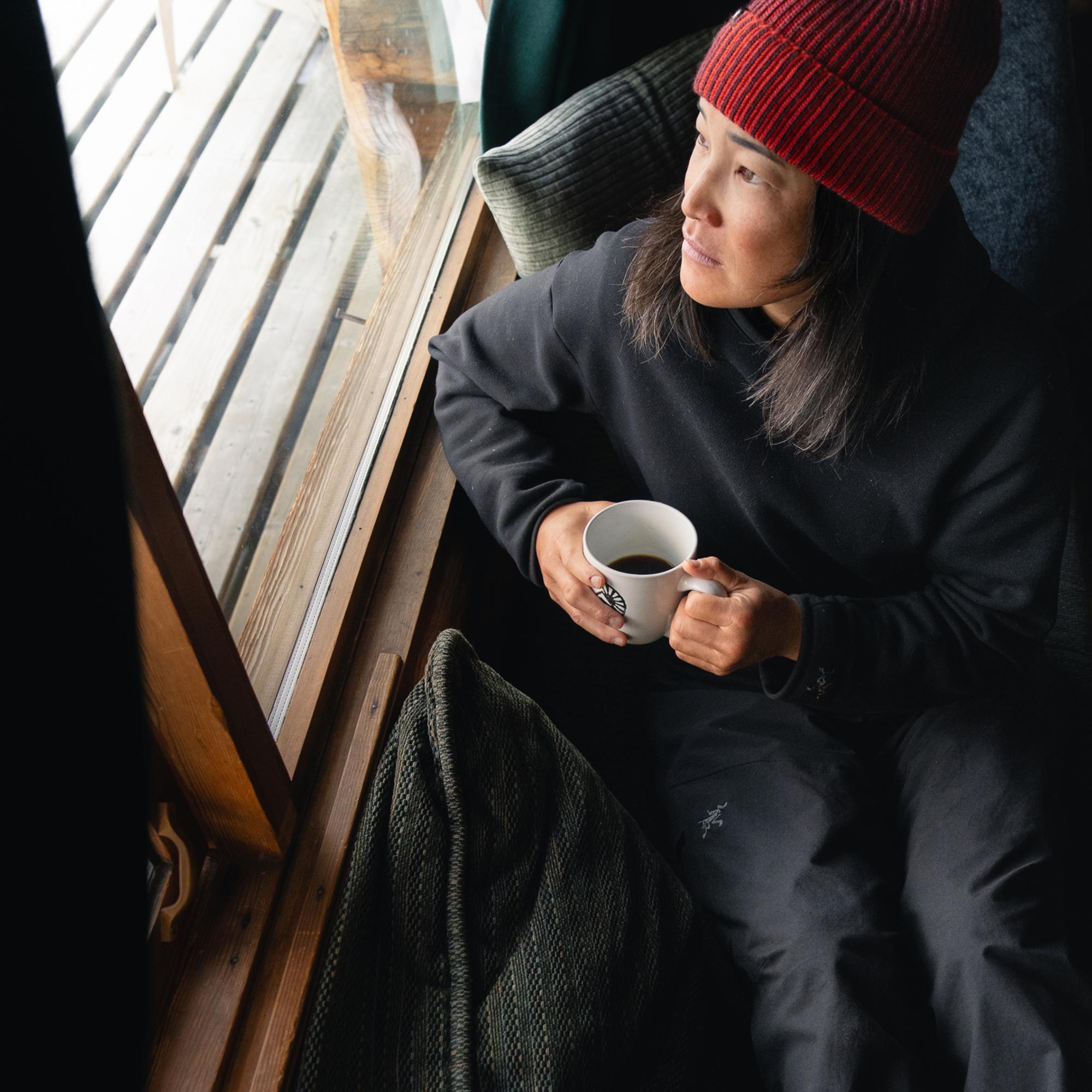
Midlayers are designed to be worn over a base layer, with or without a shell. The job of your midlayer is to trap a layer of air around your body—often using a light but lofty material like fleece, down, or synthetic insulation. Your body heats the trapped air, and that warmth stays close to your skin, buffering the effects of the cold air outside. Most midlayers are designed to keep your core warm, which is why you’ll find many options for jackets and sweaters—but in very cold environments you may want to wear insulated pants as well.
When to wear a fleece midlayer
Fleece midlayers work by creating loft within a single layer of fabric, like the lightweight hollow-core construction featured in the Delta line (women’s, men’s) or the versatile midweight Covert line (women’s, men’s). Because of their single-layer design, fleece jackets are very breathable, but don’t block wind. Worn on their own, they can be perfect for adding a little extra warmth in calm weather and lighter activities like hiking and belaying. Worn with a shell, a fleece is a great way to add lightweight, low-profile warmth to your layering system.
When to wear a down insulated midlayer
Down is the gold standard when it comes to insulation in alpine environments. Lightweight, impossibly warm and highly compressible, it’s ideal when weight and packing space are at a premium. Down jackets like the Cerium (women’s, men’s) are made to team up with other layers, with a trim fit, minimalist cuffs, and a streamlined hood. Note that when wet, down loses its loft, so it’s important to bring a shell if you’re expecting precipitation or plan to be sweating. For that reason, down layers are best for keeping you warm in between efforts (like belays or transitions on a ski tour) rather than for all-day wear.
When to wear a synthetic insulated midlayer
Synthetic insulation sacrifices some of the light weight and packability of down, but retains more of its loft and warmth when wet—whether that’s from sweat or light precipitation—which gives synthetic jackets a much wider optimal range of use. Long-running favourites like the Atom jacket (women’s, men’s) have perfected synthetic insulation over the years by adding more insulation where you need it (around your core) and less in areas where you need to dump heat (like your armpits). With a versatile fit and a water and wind-resistant outer fabric, the Atom is a great insulation pick for higher-output activities and more adverse conditions.
Shop Men’s Insulated Jackets | Shop Women’s Insulated Jackets
Outer layer: protection from the elements
When you’re up against rain, snow, and sleet, it’s time for a shell. A shell will be your outermost layer, and is often constructed of a waterproof-breathable fabric like GORE-TEX, or a breathable water resistant softshell. At Arc’teryx, features like adjustable hoods, pit zips, articulated sleeves, and intentionally positioned pockets all make it easy to keep a shell on when you need it—our shells are designed to protect you from the elements and regulate temperature in a wide range of conditions and activities.
When to wear a softshell
For mixed weather and shorter jaunts, a softshell like the Gamma Hoody (women’s, men’s) may be your best choice. The highly breathable, stretchy fabric is treated with a water-resistant coating, which repels light moisture while maximizing airflow. Softshells are water resistant rather than waterproof, which means the fabric will repel light precipitation, but the seams and zippers are not sealed. For heavy, sustained precipitation, a hardshell will be a better choice.
When to wear a lightweight hardshell
For spring skiing or high-output activities like alpine touring or hiking, a lightweight hardshell like the Beta LT (women’s, men’s) can be your best friend. More waterproof and more packable than a softshell, this versatile jacket provides dependable protection with a fraction of the weight. If you know you’ll be encountering moisture but overheating is a concern, a lightweight shell is a great option.
When to wear a heavyweight hardshell
Heavyweight shells like the Alpha SV (women’s, men’s) are designed for alpine climbing in the coldest, wettest possible conditions with our most advanced climbing features and durable weatherproof protection. Still, the Alpha SV balances protection with weight and breathability, so if you’re looking for pure storm protection, the Sentinel Jacket (women’s) or Sabre Jacket (men’s) might be a better choice. Built for freeride ski days and heavy, wet snow, the Sentinel excels when staying warm is your only priority.
Layering in practice: how to achieve optimal comfort
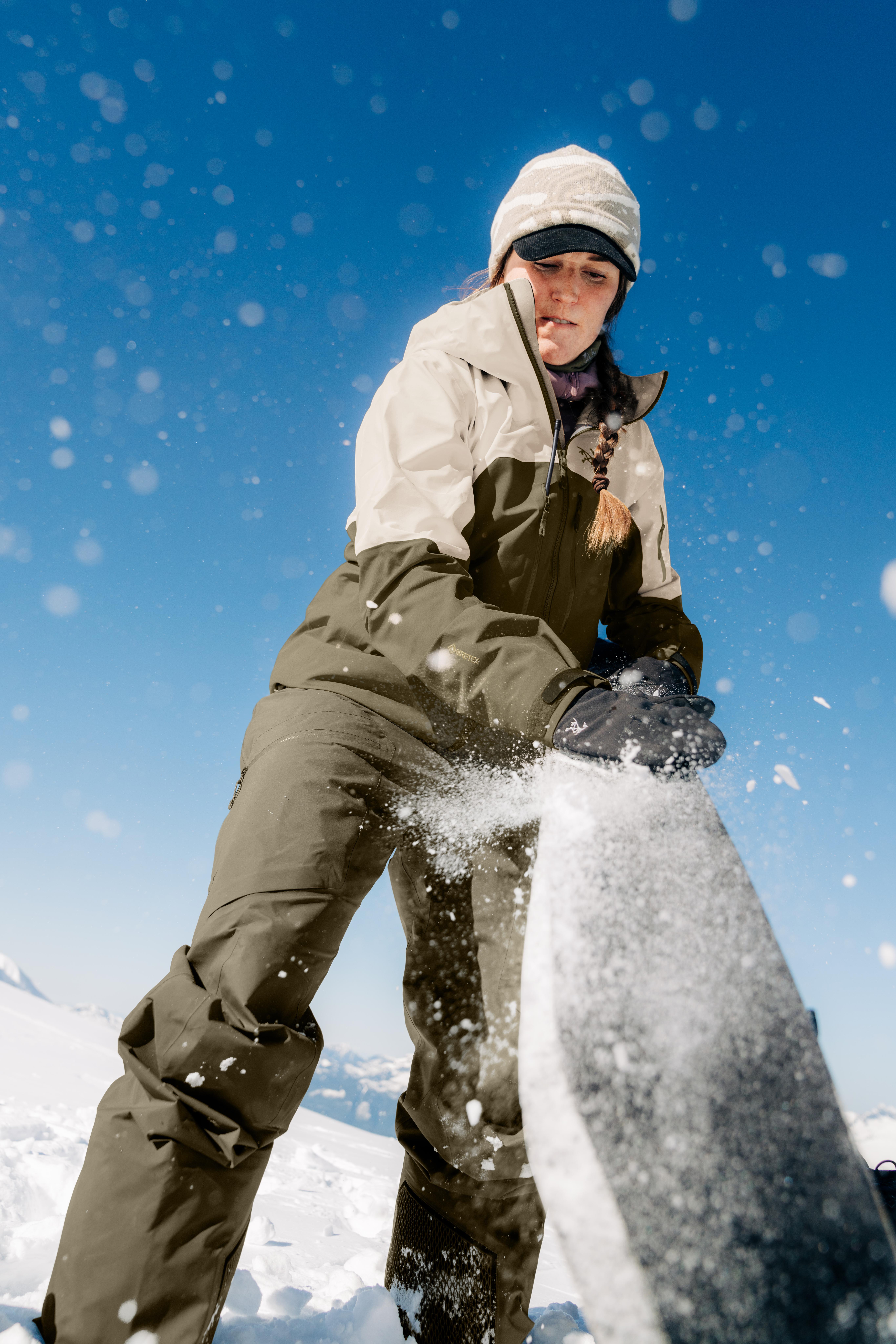
Once you’ve assembled your kit, it’s time to put it into practice. Take special note of how you feel as you move through mountains. Too hot? Try removing your hood, unzipping your pits, or removing a layer altogether. Too cold? Try adding an insulation layer, pulling up your hood, or swapping your base layer for a dry one. Pay special attention to your head, neck, and hands, which heat up and cool down quickly, and can help you make micro-adjustments to your overall system as you move. With high-quality layers keeping your core warm and dry, you’ll continue to enjoy whatever activity inspires you most.
2025-11-07
Related Articles
Explore in Style with Apparel for Hiking
Find the perfect blend of performance and style with Arc'teryx apparel for hiking & other outdoor adventures!
The Best Softshell Jacket | Buyer's Guide
Looking for the best softshell jacket? This buying guide from Arc'teryx will help find the perfect warm softshell jacket.