Skiing is all about staying comfortable through steep climbs, cold chairlifts, and everything in between, and your base layer is the first line of defense. From storm days to spring laps, the right next-to-skin layer keeps you warm, dry, and ready for another run. But what exactly makes a good base layer for skiing? Is Merino wool better than synthetic fabrics? And how do you choose the right base layers for your day on the hill?
At Arc’teryx, every base layer is built with premium materials and engineered to perform in real mountain conditions, from wet snow and cold wind to rapid changes in effort and terrain. Each fabric is chosen to manage moisture efficiently, reduce bulk under your midlayers and shell, maintain that comfortable next-to-skin feel, and support your full range of motion.
This guide outlines everything you need to consider when choosing your next Arc’teryx base layers for skiing.
What are ski base layers?
A good base layer for skiing is the foundation of your entire layering system for mountain sports. It’s the critical piece of clothing that sits directly against your skin and manages your temperature from the moment you step outside. A good base layer for skiing works by pulling moisture away from your body when you sweat, trapping heat where you need it, helping your other layers perform the way they’re meant to, and keeping you comfortable from the first ascent to the last lap.
Think of your base layers as climate control for your day on the mountain. Skiing is a sport of consistently shifting between output and rest in freezing conditions. When you’re charging hard through powder, a good base layer prevents sweat from building up. When you’re sitting still on a windy chair lift, your base layer helps hang on to the heat you’ve generated.
Key features of an effective ski base layer
A great ski day depends on how well your layers work together, and your base layers are going to do most of the heavy lifting. Here’s some key features to look for in a good base layer for skiing:
Moisture-wicking properties
Skiing is a constant cycle of effort and rest. A good base layer should have strong moisture-wicking performance to pull sweat off your skin quickly so it can evaporate. This is especially important during high-output moments to prevent that clammy chill that shows up when you’re resting at the ridge top or standing in the lift line.
Thermal regulation
Conditions shift fast in the mountains. You might be sweating on a bootpack one minute and bracing against a cold crosswind the next. A good base layer for skiing provides consistent warmth without causing you to overheat and keeps your temperature stable across all phases of the day.
Breathability
If your base layer traps too much heat, you’ll overheat and sweat more. If it breathes too much, you’ll get cold the moment you stop moving. The key to a good base layer is controlled breathability, and Arc’teryx fabrics are engineered to walk that fine line by letting excess heat escape while retaining enough warmth to keep you comfortable through changing effort levels
Next-to-skin comfort
Your base layer is the piece you’ll notice the most of your whole ski kit. It needs to feel soft against your skin, stretch with your movement, and avoid any rubbing or bunching under midlayers, ski boots, or pack straps. Seam placement, fabric softness, and ergonomic patterning all play a huge role in your all-day comfort.
Mobility & fit
A well-fitted base layer should move with your body as you ski, not restrict it. A trim, ergonomic base layer fit will also enhance its moisture wicking effectiveness when you sweat, and also layer cleanly under your mid-layer and shells. If you’re really dynamic with your turns, stretch fabrics will give you more freedom to move while staying tight to your body.
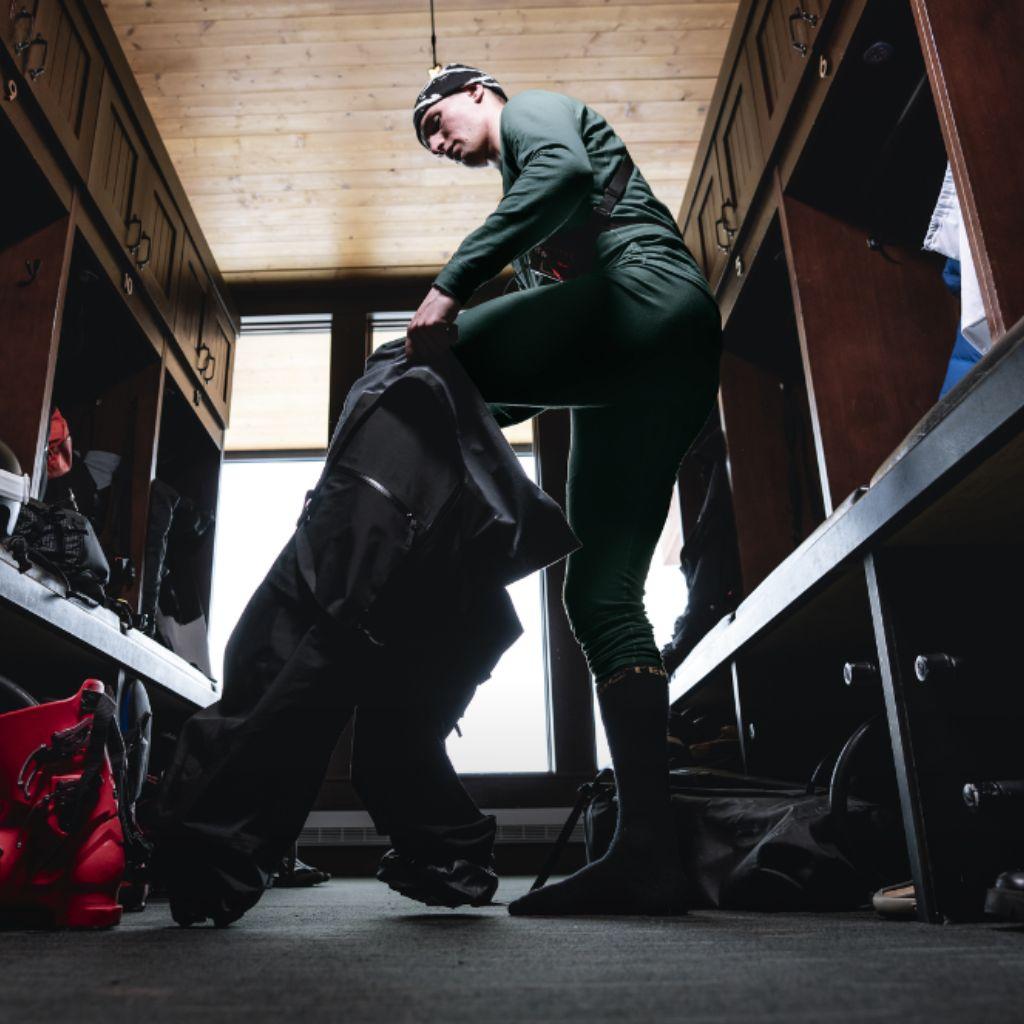
The best base layer materials: which one is right for you?
Choosing the right base layer material comes down to the weather, how hard you’re working, and how you personally run on the mountain. Different fabrics handle moisture, warmth, and movement in different ways. One important rule for any mountain sport: stay away from cotton. Between sweat, snow, and shifting temperatures, cotton gets wet quickly and stays wet, which causes you to lose heat fast when your pace slows or conditions change.
Arc’teryx builds ski base layers in three primary categories: Merino wool, synthetic performance fabrics, and hybrid or lightly insulated designs. Each one has strengths tailored to specific conditions:
- Merino wool excels in cold, variable weather thanks to its natural warmth, odour resistance, and ability to insulate even when damp.
- Synthetic fabrics like Phasic™, Torrent™, and Polartec® stretch fleece dry quickly, breathe well, and shine during higher-output days or warmer conditions.
- Hybrid and insulated layers add targeted warmth with breathable zones for skiers who run cold or spend long periods exposed to wind and chairlift chill.
Merino wool base layers
Merino wool is a go-to for cold, variable mountain weather thanks to its natural ability to regulate temperature and manage moisture through long days of skiing. Merino wool will continue to insulate even when damp, which is a major advantage on storm days or whenever your layers get wet from snow or sweat. It’s soft against your skin, naturally stretchy, and has antimicrobial properties that keep it odour resistant during multi-day wear.
Our men's Rho Merino Wool and women’s Satoro Merino Wool series use Responsible Wool Standard (RWS) certified Merino blended with elastane for extra stretch and mobility. This blend creates a soft, breathable base layer that moves with you, and layers cleanly under midlayers and shells for both resort skiing and backcountry tours.
For milder weather or higher-output resort and backcountry skiing, the men’s Rho Merino Wool and women’s Satoro SL styles offer more airflow and faster drying while still maintaining their thermoregulating benefits.
Synthetic fabric base layers: Phasic™, Rho, and Kyanite
Synthetics, also known as polyester or polypropylene fabrics, are really effective at wicking sweat away from the body. Synthetic base layers don’t take on water like Merino, and dry faster, even while you’re wearing them. Another added bonus of polyester fabrics is that many of them have a UPF sun protection rating to help cut down on the rays when you’re skiing in just your base layer. For colder conditions, heavyweight synthetic knits will provide impressive warmth without adding bulk under your layers.
Phasic™ base layer technology
Our Phasic™ technology is our lightest and fastest-drying synthetic base layer option. Its bi-component yarn pulls moisture off your skin and spreads it across the fabric to dry quickly, keeping you dry during hard efforts like ski touring, bootpacks, or warm-weather resort laps. It's the best choice for skiers who run warm or spend a lot of time moving at a higher intensity.
Rho base layer series
Our synthetic Rho base layer series uses Torrent™ stretch-knit fabric to deliver versatile warmth and excellent mobility (not to be confused with the Rho Merino Wool styles). The soft, inner surface adds light insulation, while the smooth outer face layers cleanly under midlayers and shells. The Rho lineup is a great choice for mixed-output skiing, providing warmth during colder moments, yet stays breathable and manages moisture effectively when the terrain or your effort level ramps up.
Kyanite base layer series
For stormy days or anyone that generally runs cold, the Kyanite is our warmest synthetic base layer option. Made with Polartec® stretch fleece, Kyanite delivers substantial next-to-skin warmth with a soft, comfortable feel while still maintaining its breathability. The efficient insulation adds warmth without adding bulk, making it a great choice for slower-paced resort days or anytime you prefer a little extra heat under your kit.
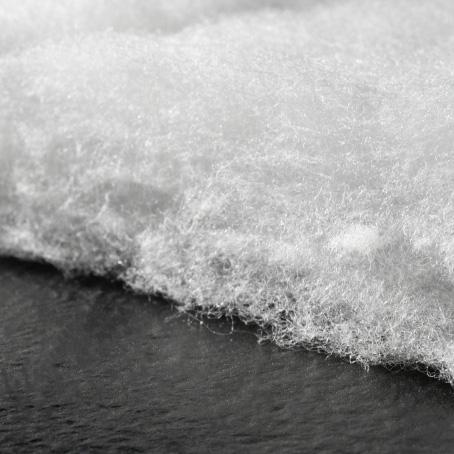
Hybrid & insulated base layers
Our hybrid base layers options combine extra insulation with breathable technical fabrics to give you added warmth where you need it, and ventilation where you generate the most heat. They’re ideal for very cold conditions, exposed alpine terrain, or low-to-moderate output skiing where staying warm on lift rides is just as important as staying comfortable while you move.
Our Rho Hybrid Insulated Bottom uses light, low-profile insulation across the thighs and hips, areas that tend to lose heat quickly. Breathable Torrent™ panels at the back of the legs, waistband, and gusset keep you moving freely and help manage moisture build up so you don’t overheat when climbing a skin-track or stop-and-go terrain.
Hybrid base layers are a great choice for skiers who run cold, spend extended time in exposed terrain, or want extra insulation under a shell without fully relying on heavier midlayers.
Choosing the right base layer for your needs
The best base layer for skiing depends on three things: the weather, how hard you’re working, and what feels comfortable next to your skin. Understanding how each factor affects your warmth and breathability needs will help you choose a base layer that keeps your temperature steady and your comfort high all day on the hill.
Weather conditions
The weather has a direct impact on the warmth and ventilation you need. In extreme cold, dependable insulation matters most. Merino wool offers consistent warmth in both dry and damp environments, and warmer synthetic options like the Kyanite deliver reliable comfort when temperatures drop.
In milder temps or spring conditions, lighter-weight fabrics with increased airflow, like the Phasic™ or Satoro SL, will help prevent you from overheating as the day warms up. When snow turns wet or temps swing between cold and damp, synthetic fabrics shine. Their fast-drying performance and efficient moisture management help keep your temperature balanced through shifting conditions.
Ski activity level
Your output level determines how much heat and moisture your body generates. High-energy skiing, like backcountry tours, tackling steep terrain, smashing powder days, or long traverses, call for base layers that dry quickly and breathe extremely well. Lightweight synthetics like Phasic™ or the lighter Rho styles are strong choices here.
For relaxed resort laps or days with long lift rides, insulation becomes more important. Merino wool and warmer synthetics like the Kyanite provide steady warmth when your effort level is lower and exposure to cold is higher. If your day includes a mix of backcountry hikes, ridge walks, and varied terrain, balanced options like Merino blends or hybrid insulated pieces adapt well to fluctuating intensity.
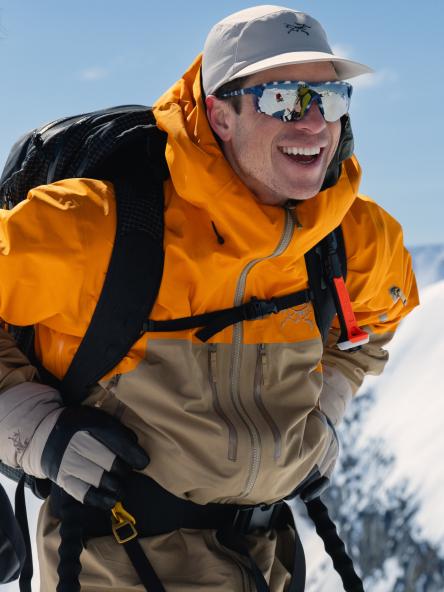
Different base layer weight categories
Most skiers prefer midweight layers as a go-to for typical winter conditions. Heavyweight layers are built for extreme cold or frequent stop-and-go activity. Lightweight or ultralight layers are best for high-output adventures, warm-weather skiing, and classic spring bluebird days.
Other personal preferences
Comfort is subjective, and small details can make a big difference in how a base layer feels through a full day of skiing.
Fabric feel
Next-to-skin feel is a major factor. Some skiers prefer the soft, natural hand-feel of Merino wool, while others like the smooth, stretchy feel of synthetic fabrics. If you’re unsure, visiting a local Arc’teryx store is the easiest way to compare different fabric textures and fits in person.
Warmth tolerance
If you tend to run cold, Merino, heavyweight synthetic, and hybrid layers offer more consistent insulation. If you run warm, lightweight synthetics provide better airflow and help prevent overheating.
Fit preference
A close, next-to-skin fit will be better optimized for moisture transfer and layers cleanly under midlayers. If you prefer a bit more room in your base layers, lighter and more breathable fabrics can often feel more comfortable without compromising performance.
Layering style
If you run a heavier midlayer, choose a lighter base layer. If you prefer to ski with minimal layers, a warmer base layer can help provide all the insulation your kit needs. Learn more layering tips with our article on staying comfortable in any weather.
Bonus base layer features
Other details like thumbholes, hoods, high necklines, and front zippers add versatility and allow you to fine-tune your temperature control and comfort.
Other layering accessories
Accessories like a lightweight buff, balaclava, or toque can complement your base layer system, adding extra warmth and coverage on your neck, face and head without adding unnecessary bulk.
Choosing a good base layer for skiing really comes down to knowing how you move, what conditions you plan to ski in, and what feels the most comfortable next to your skin. When those elements line up, and you find the perfect base layer for your needs, your entire system will perform the way it’s meant to, keeping you warm when it's cold, dry when you’re working hard, and comfortable through all conditions of the day.
Check out our full range of Arc’teryx base layers online or stop by a local retailer to try them on, and get back out there.
2025-12-19
Related Articles
Layering Clothes Like a Pro
Master the art of layering with Arc'teryx! Discover expert tips and techniques to stay warm, dry, and comfortable in any weather.
Gore-Tex Ski Jacket Buyer's Guide
Looking for the best Gore-Tex ski jacket? This buyer’s guide from Arc'teryx will help you find the ideal winter ski jacket for when you hit the slopes!