Finding the best ski jacket means understanding which features make the biggest difference for your specific use. Whether you're lapping the resort, earning your turns, or brushing up against burly freeride terrain, the right jacket combines weather protection, thoughtful design, and durability to elevate your time on snow.
This guide focuses on the technical elements that define high-performance ski jackets — the features that help you stay comfortable and protected across varying conditions and terrain. Arc'teryx designs jackets with these considerations at the forefront. As you evaluate your on-mountain priorities, this checklist will help you figure out which features you need so you can pick a jacket that you’ll love for the long run.
Weather protection comes first
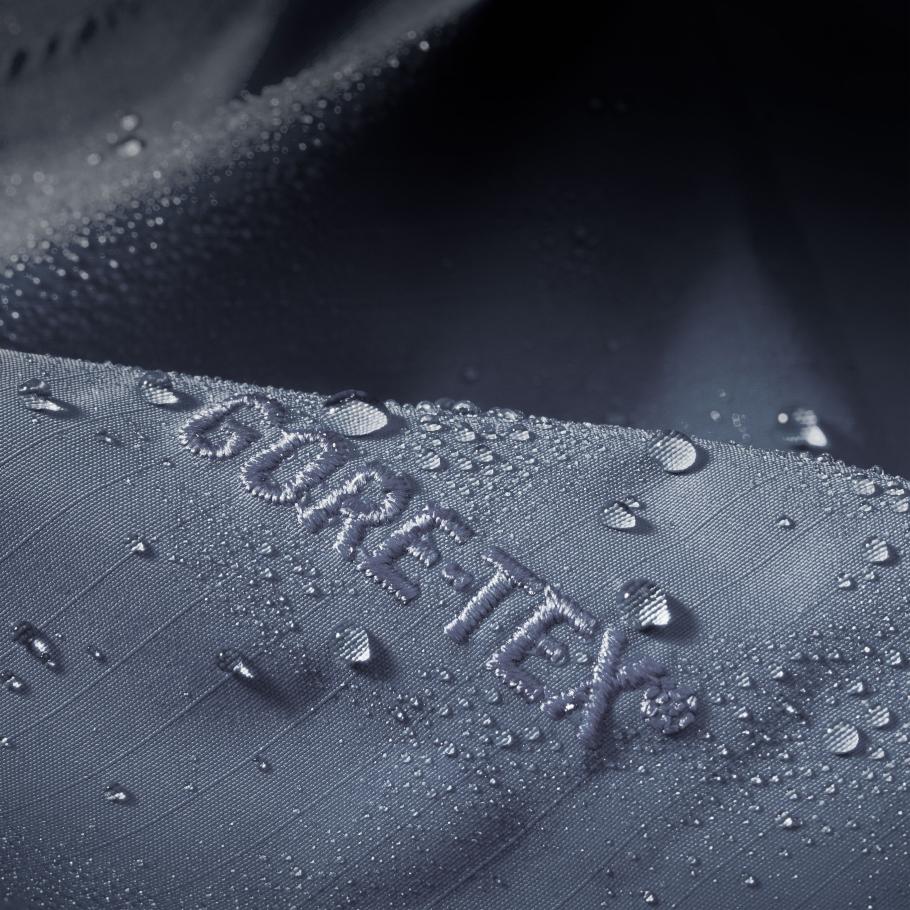
Effective weather protection starts with proven waterproofing, windproofing, and breathability working in concert like a jam band: everything seamlessly blended in a way that keeps you moving. Your ski jacket's primary job is to keep moisture out while allowing perspiration to escape — essential for comfort during both active and stationary moments in the mountains.
GORE-TEX® membranes are the gold standard for the above, delivering reliable waterproof protection while maintaining breathability across the widest variety of temperatures and conditions, while shutting out the wind. Quality windproofing matters especially when you're exposed on open terrain or moving at speed. Complete seam taping seals potential entry points for moisture and wind, while waterproof zippers seal the whole deal. A durable water repellent (DWR) coating on the outer fabric helps water beads and shed.
“Checklist callout: Is your ski jacket waterproof, windproof, and breathable?”
What Arc'teryx uses
Arc'teryx uses GORE-TEX ePE membrane that’s free of intentionally added PFAS, providing complete waterproof and breathable performance. For freeride, the Sabre Jacket features tough 200d face fabric paired with GORE-TEX PRO with C-KNIT™ backer for fleecy comfort on the inside, alongside the longer-cut women’s Sentinel Jacket, both of which are designed for maximum protection when descents are your unyielding focus.
Insulation options: know what you need
Understanding insulation helps you pick a jacket that’ll keep you warm and enable your best layering options. The choice between shell and insulated jackets comes down to how you prefer to manage temperature regulation on the mountain.
Shell jackets provide waterproof protection without built-in insulation, giving you flexibility to adjust warmth by changing midlayers. This approach works best in changing conditions and throughout varying output levels. Insulated jackets, on the other hand, incorporate synthetic or down fill directly into the construction, offering standalone warmth that simplifies your layering system — ideal when you want reliable comfort without juggling multiple pieces.
When insulation is included, the type affects performance in different ways. Down insulation delivers exceptional warmth-to-weight ratio and compresses efficiently for packing. Synthetic insulation like Coreloft™ maintains warmth even when damp and performs reliably in wet conditions. Both options have strengths depending on your priorities and typical conditions.
“Checklist callout: Does your jacket match your warmth needs — shell for layering or insulated for standalone use?”
Arc'teryx options
The Sabre Insulated Jacket uses synthetic Coreloft™ to keep you toasty while tackling big-mountain descents, even when it’s wet, and is light enough to bring touring when it’s extra cold out. Dedicated ski tourers turn to the insulation-free Rush Jacket for a freeride fit that emphasizes efficiency on the ascent without compromising on the descent, and allows for easy layering.
Ski-specific technical features to look for
Our ski jackets incorporate purpose-built features for the unique demands of the sport, from waist-deep blower, to PNW sleet and storm skiing, to safety considerations and temperature management.
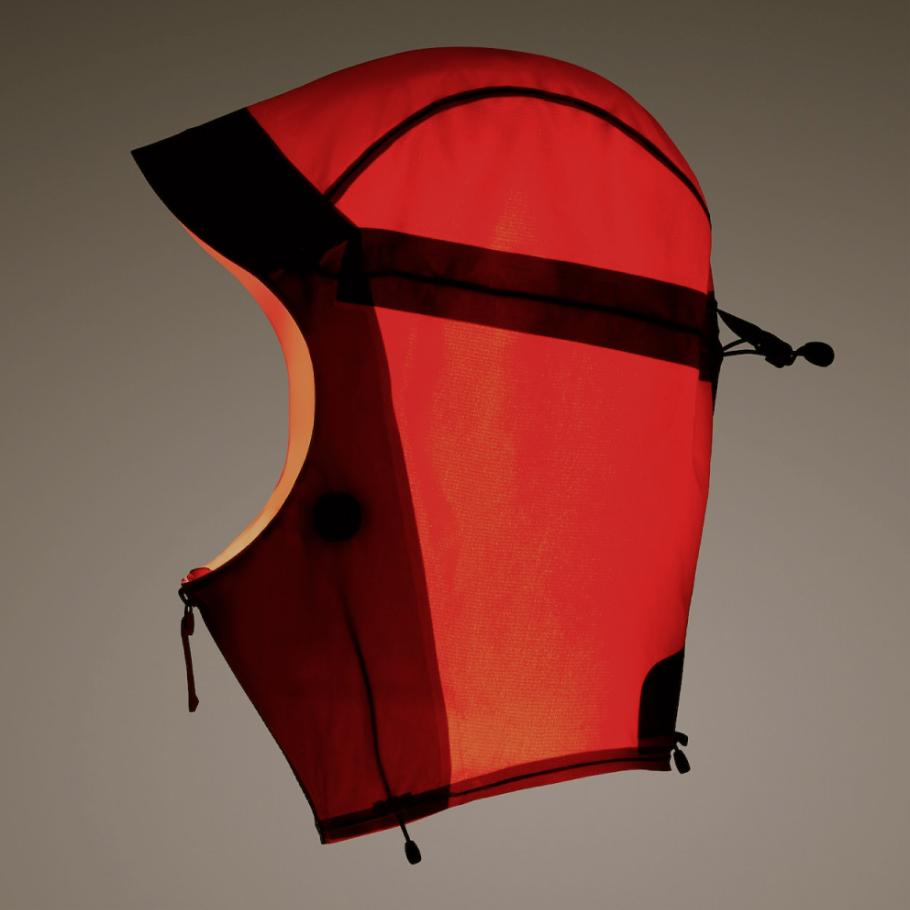
A removable powder skirt creates a seal at your waist, preventing snow from entering on deep days or when you fall. A helmet-compatible Stormhood™ offers generous volume and thoughtful adjustment that maintains full range of motion and peripheral vision. Pit zips — underarm ventilation zippers — allow quick temperature regulation during high-output moments without removing layers. RECCO® integration supports search and rescue operations with specialized reflectors that can help locate a lost person.
“Checklist callout: Does your jacket offer technical snow-specific features for safety and mobility?”
Arc'teryx technical features in action
RECCO reflectors are integrated into Arc'teryx's Rush, Sabre, and Sentinel lines to aid search and rescue operations. Powder skirts feature across most of our resort jackets, with many models including the Slide n' Loc attachment system for connecting to compatible pants.
Fit, movement & comfort in the mountains
A ski jacket should move naturally with your body, following along with every movement. Comfort and mobility should be your top priorities, so you’re never held back.
Articulated patterning — pre-shaped panels that follow your body's changing positions — enables unrestricted arm movement when you need to be quick in technical terrain. Drop hems provide extra coverage at the back, maintaining protection when you're bent forward or seated on a chairlift. Adjustable cuffs seal around gloves to seal out snow and cold air. High collars protect your neck and face during cold conditions, while chin guards add comfort when fully zipped.
A good fit depends on style preference, but should at least accommodate your layering approach, and not constrict you.
“Checklist callout: Does the fit allow unrestricted motion without sacrificing protection?”
Design highlights from Arc'teryx
Arc'teryx uses articulated patterning across all ski and touring jackets, with fits that are never restrictive. We tailor specifically to activity type, with freeride jackets prioritizing freedom of movement and touring jackets emphasizing layering and clean lines. The Sentinel features a women’s-specific fit and hem adjuster that keeps weather on the outside, and steady motivation on the inside.
Storage & accessibility
Well-designed pockets are essential for gear management, providing secure and convenient access to the things you most need on the fly.
Exterior chest pockets remain accessible even when wearing a backpack, making them ideal for GPS devices (usually phones, these days) or things like maps, snacks, and sunglasses. Internal mesh pockets provide secure storage for goggles and gloves when taking breaks, protecting lenses from scratches. Pass pockets on the sleeve offer easy scanning at lift gates, and easy-access zippers are simple to operate even when wearing gloves.
“Checklist callout: Are pockets easily accessible, secure, and glove-compatible?”
Best use case features
Whether you need a pocket panoply or a simpler arrangement depends on the type of skiing you prioritize. Resort skiers often appreciate more storage for pocket snacks, goggle wipes, cell phones and so on — lift tickets, after all, aren’t for hanging out in the day lodge, so anything that helps you bag more runs is a boon. Backcountry skiers, meanwhile, have backpacks and typically prioritize efficient, lightweight storage in a jacket that doesn't add unnecessary bulk, since that jacket is often stuffed in said backpack on the uptrack. For ski touring, you typically only need pockets for quick-access items, and can get by with less of them to shed some weight.
For touring, the Rush jacket offers a lightweight more streamlined package optimized for stowable efficiency with comfort and durability during descents. Resort-focused models like the Sabre offer larger storage capacity with multiple internal and external pockets designed to remain accessible on the fly, to maximize your day on slope with lots of room for pocket snacks, goggles wipes, and other such sundries.
Durability that matches your terrain
Different duties call for different materials. Your durability needs will correlate directly with how the terrain you explore most. Face fabric construction and reinforcement strategies directly impact longevity, and you want your jacket to last a long, long time, but you also don’t need to buy a tank when a Honda Civic will do.
Denier ratings are a measure of fabric weight and density: higher numbers generally correspond to more robust material. An 100-denier fabric, for example, balances toughness with reasonable weight for all-mountain use. Reinforcement at high-wear zones — in the shoulders under pack straps, cuffs that contact gloves repeatedly, and all the hem points — extends jacket lifespan significantly, particularly when brushing up against rocks, trees, and your own edges.
“Checklist callout: Can your jacket withstand abrasion from packs, edges, or falls?”
Arc'teryx durability features
The Sabre uses strong, breathable 200d 3L GORE-TEX PRO ePE fabric for enhanced durability and protection in descent and resort-focused settings. The Rush features 80d GORE-TEX PRO ePE throughout most of the body, with tougher 100d fabric in strategic high-wear areas like the yoke. This hybrid approach emphasizes lightweight durability for touring.

Bonus consideration: activity-specific jackets
Jackets are subject to that age-old proverb: You need the right tool for the job. Think of our jackets as tools optimized for very specific work needs, and think of that work as having the most streamlined and comfortable experience on snow possible.
Resort skiing calls for more feature-heavy and comfort-focused details since weight is less of a concern. Touring jackets benefit from a lighter construction and fewer features because efficiency is a big part of what’s going to keep you comfortable out there. Freeride skiing calls for extra toughness to handle brushes with rocks, trees, and your ski edges.
Match your jacket’s build and features to how and where you ski by figuring out the features — or lack thereof — that will serve you best. Many skiers go so far as to use different jackets for different types of skiing in different places, like an insulated jacket for cold resort days and a shell for touring or mild-temp freeriding.
“Checklist callout: Is your jacket designed for the kind of skiing you actually do?”
Suggested picks by use case
Resort:
- Fissile SV Down Jacket Men’s
- Macai Jacket Men’s
- Andessa Down Mid Jacket Women’s
- Andessa Down Jacket Women’s
Touring:
Freeride:
Final Checklist Recap
As you evaluate ski jackets, consider these key features:
☐ Waterproof & windproof shell (GORE-TEX or equivalent)
☐ Appropriate insulation or layering capacity for your needs
☐ Ventilation options (pit zips, breathable fabric)
☐ Powder skirt and snow-specific features
☐ Ergonomic fit with articulated joints
☐ Durable exterior matched to your terrain
☐ Secure and glove-friendly pocket setup
☐ Aligned with your actual skiing style
Still scratching your head? Try our Jacket Finder quiz to help settle any lingering questions.
Explore entire Insulated Ski Jackets collection
Explore entire Shell Ski Jackets collection
2026-01-29
Related Articles
Best Ski Pants & Bibs: Ultimate Buyer's Guide
Discover the best Arc'teryx ski pants and bibs for resort, touring, and backcountry. Learn what to look for in insulation, fabric, fit, and features.
Shell vs. Insulated Ski Jackets: Buyer's Guide
Learn the difference between shell and insulated ski jackets to choose the right gear for your conditions, activity level, and layering strategy.